Cruise deals on KKday
Cruise search · Live fares
Search river cruise itineraries on the Danube, Rhine, Seine, Douro and beyond, with inclusions shown line by line.
Cruiselines.si · Cruise guides
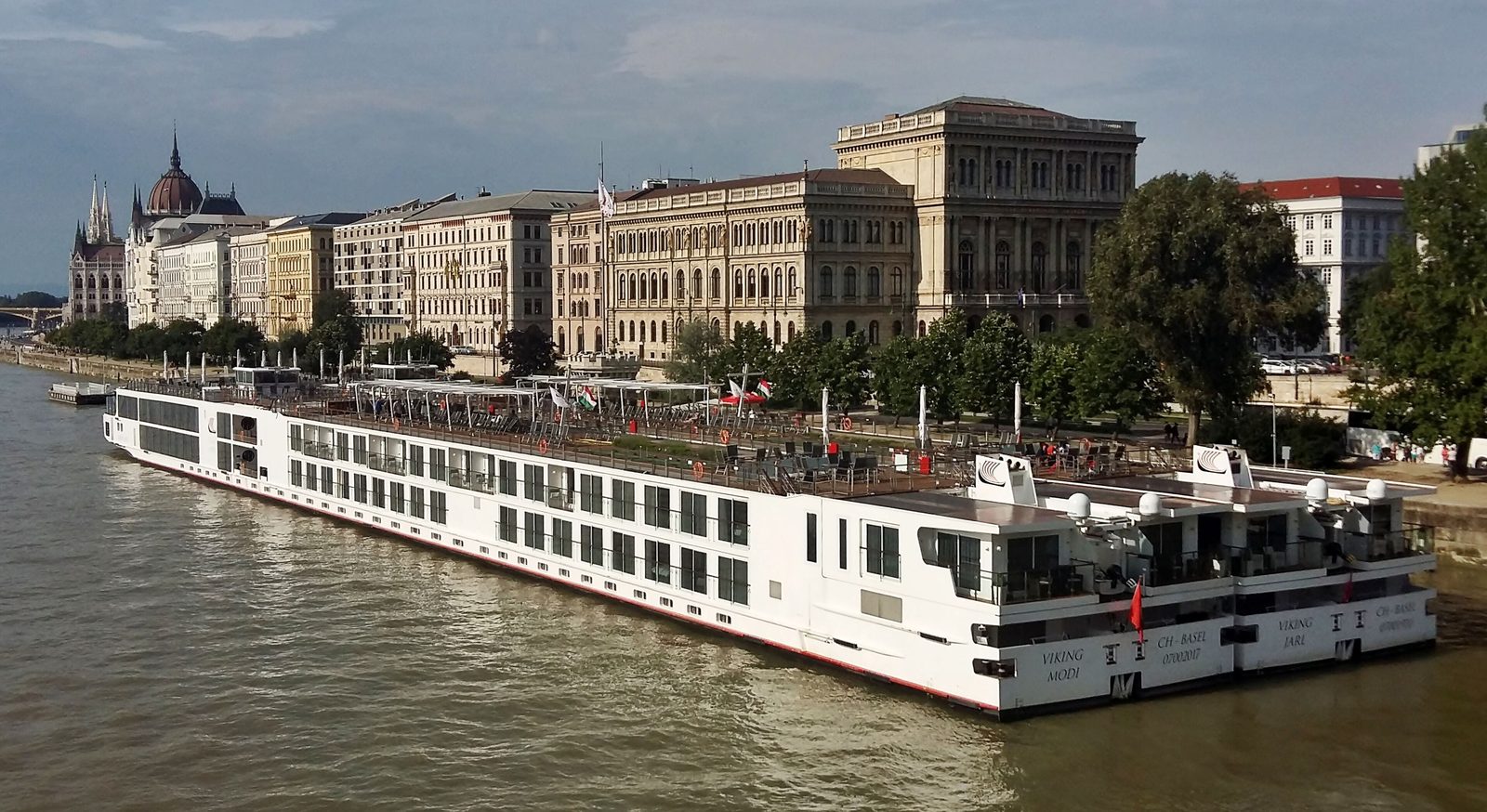
A ship the size of a hotel corridor, a cabin that unpacks once, and a thousand years of Europe sliding past the window — river cruising is slow travel at its best.
River ships are small and the best cabins — and the Christmas-market sailings — go early. Compare lines and itineraries while choice is real.
Cruise search · Live fares
Search river cruise itineraries on the Danube, Rhine, Seine, Douro and beyond, with inclusions shown line by line.
Port tours · Tickets · Activities
Castle tours, Wachau wine tastings and guided old-town walks in every port — river cruising is excursions, and the small-group ones fill fast.
River cruising trades the ocean ship's scale for intimacy: under two hundred guests, a crew that learns your coffee order, and a gangway that lands you in the middle of town. The river does the rest — vineyards, castles, cathedral spires, one after another, at walking pace. If the Mediterranean cruise is a grand tour by sea, the river cruise is the same tour with the countryside left in.
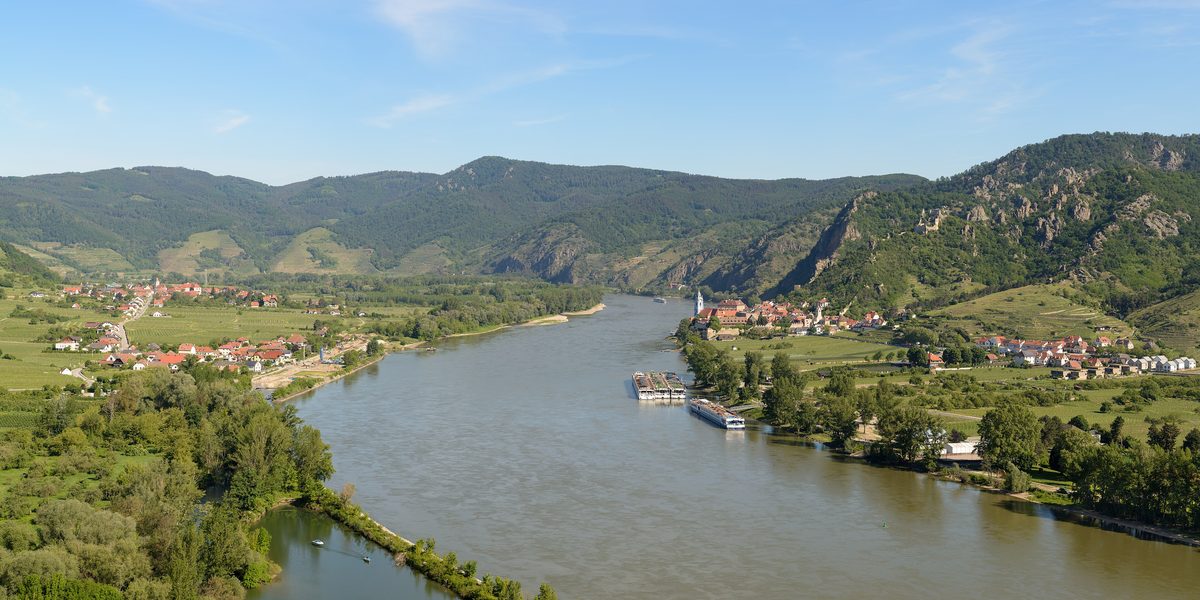
The classic first river runs from Passau through Austria to Budapest: Linz and Melk's great abbey, the Wachau Valley where apricot orchards and castle ruins line both banks, a full day or overnight in Vienna, Bratislava's compact old town, and the arrival under Budapest's parliament — lit, if you time it with dinner, like a wedding cake. One week covers it comfortably; two reach the Iron Gates and the Black Sea. No other itinerary strings so many capitals so painlessly. Most first-timers start here, and the river's fans start here again.
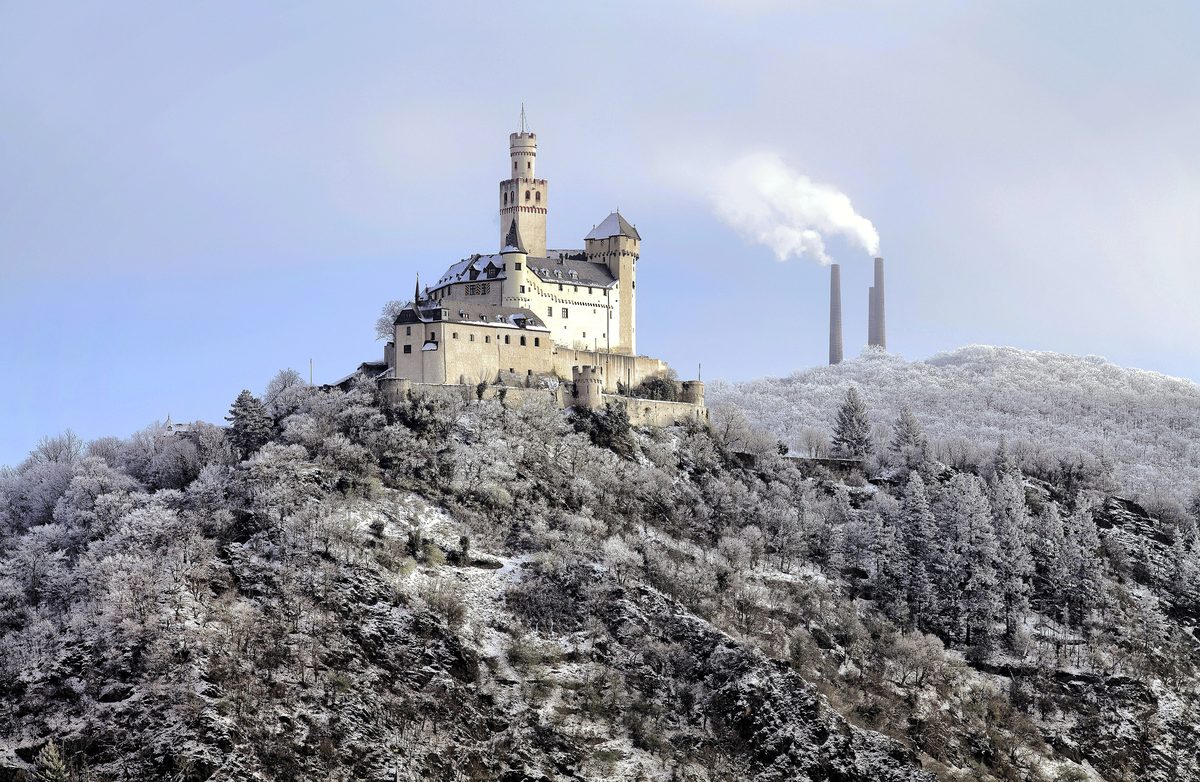
From Basel to Amsterdam, the Rhine is Europe's working river — barges, vineyards and industry — with one legendary stretch in the middle: the Rhine Gorge, where forty castles crowd the hillsides in sixty kilometers and the ship slows so the Lorelei rock gets its narration. Add Cologne's cathedral, Strasbourg's half-timbered Grande Île, the windmill fields at Kinderdijk, and Amsterdam to finish. Rhine sailings pair naturally with a few hotel nights at either end — Basel and Amsterdam both reward them — and with Switzerland's railways for those continuing south.
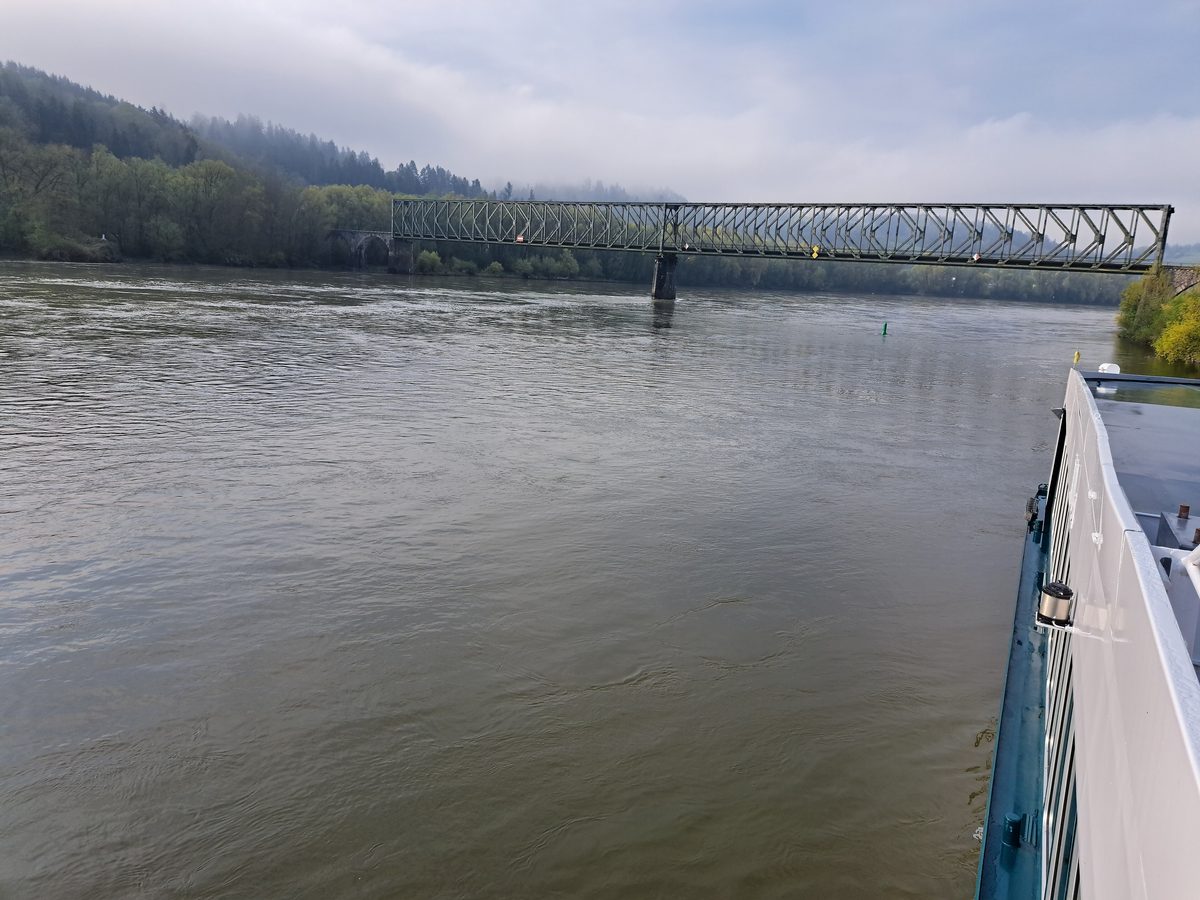
River cruising's real luxury is the small print: towns like Passau, where the Danube, Inn and Ilz meet under a baroque old town, or Dürnstein in the Wachau, where Richard the Lionheart was held for ransom and the apricot brandy is poured by the family that made it. Ships tie up in the center, excursions walk straight off, and the afternoon is yours to re-walk the morning's tour at café pace. This rhythm — guided mornings, free afternoons, the ship always a short stroll away — is why river cruisers come back at the highest rate in the industry.
Once the Danube and Rhine are done, the map widens. The Seine runs from Paris to Normandy's landing beaches and Monet's garden at Giverny. Portugal's Douro winds through terraced wine country to Salamanca. The Rhône pairs Provence's lavender and Lyon's kitchens; Dutch and Belgian waterways own the spring tulip weeks. Beyond Europe: the Mekong through Vietnam and Cambodia, the Nile, and America's own Mississippi and Columbia rivers. The format travels well because the formula is sound — unpack once, dock downtown, let the country come to the window.
Days run gentle and full. Breakfast as the banks slide by, a walking tour or bike ride in the morning — guides are local, groups are small, and the quietvox headsets mean you can lag at a bakery without losing the story. Lunch aboard, an afternoon in town or on the sun deck, then dinner: regional menus, local wines included, one seating, no formal nights beyond a jacket if you feel like it. Evenings are a pianist, a folk troupe come aboard, a lecture on tomorrow's town. The entry-level cabins sit at the waterline with a small window — fine for sleepers; the French-balcony cabins above are where most travelers land, and worth it on scenic rivers.
| River cruise | Ocean cruise | |
|---|---|---|
| Ship size | 100–200 guests | 1,000–7,000 guests |
| Included | Excursions, wine with meals, Wi-Fi usually in the fare | Meals and entertainment; excursions, drinks and Wi-Fi extra |
| Ports | City-center docks, walk off | Cruise terminals, transfers common |
| Sea days | None — scenery daily | Yes — the ship is a destination |
| Best for | Culture, food, slow travel | Beaches, families, onboard fun |
| Price shape | Higher per day, fewer add-ons | Lower entry fare, add-ons accumulate |
Plenty of travelers end up doing both — an ocean ship for the Caribbean winter, a river ship for the European summer. The mistake is expecting one to behave like the other. Choose by the trip you want, not the brochure you saw last.
Water levels, honestly. Very dry summers can drop the Danube and Rhine too low for through-sailing, and lines then swap passengers between sister ships by coach — an inconvenience they handle well, but worth knowing. Spring floods can do the same in reverse. It affects a minority of sailings; shoulder months are the safest bet.
Danube grandeur or Rhine castles — line up the itineraries, the cabins and exactly what each fare includes.
Almost everything scales down and slows down: ships carry 100–200 guests instead of thousands, dock in the center of towns rather than at industrial ports, and include excursions, wine with dinner and Wi-Fi in most fares. There are no sea days, no casinos, no waterslides — instead, a new old town most mornings and the riverbank sliding past your window all day.
Typically more than an ocean fare: at least one excursion per port, beer and wine with lunch and dinner, Wi-Fi, bicycles for town exploring, and all meals. Premium lines add premium drinks, gratuities and door-to-door transfers. Airfare is sometimes bundled in promotions. Read the inclusions line by line — river pricing rewards the comparison.
May, June and September balance good weather, full excursion programs and manageable crowds. July and August are warmest — and when low water on the Danube and Rhine occasionally disrupts itineraries. Spring brings tulip season on Dutch and Belgian routes; late November and December belong to the Christmas-market cruises, a season of their own.
Mostly, with honest caveats. Ships have elevators on the main decks, but shore excursions involve cobblestones and walking tours, and when ships raft together in port you may cross several decks to get ashore. Low-water swaps can involve coach transfers. Discuss your needs with the line before booking — they answer these questions daily and answer them straight.
The Danube is the classic first river: imperial capitals (Vienna, Budapest, Bratislava), the Wachau Valley's vineyards, and easy one-week loops from Passau or Budapest. The Rhine is the castle river — the gorge, the Lorelei, Strasbourg and Amsterdam. Choose the Danube for grandeur, the Rhine for storybook scenery, and the Seine or Douro once the habit forms.
More guides from Cruiselines.si — or head back to the cruise deals hub to start from the top.
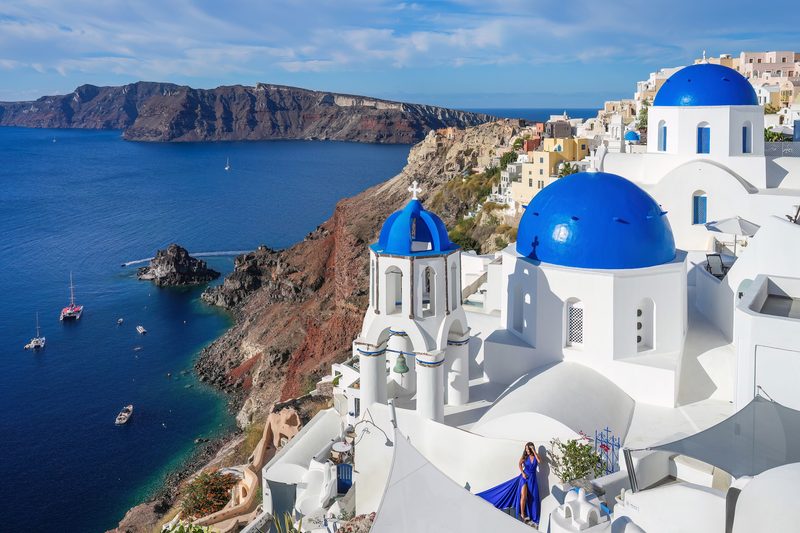
Santorini caldera mornings, Amalfi lemons, Dubrovnik's walls and the classic ports of the Med.
Read the guide →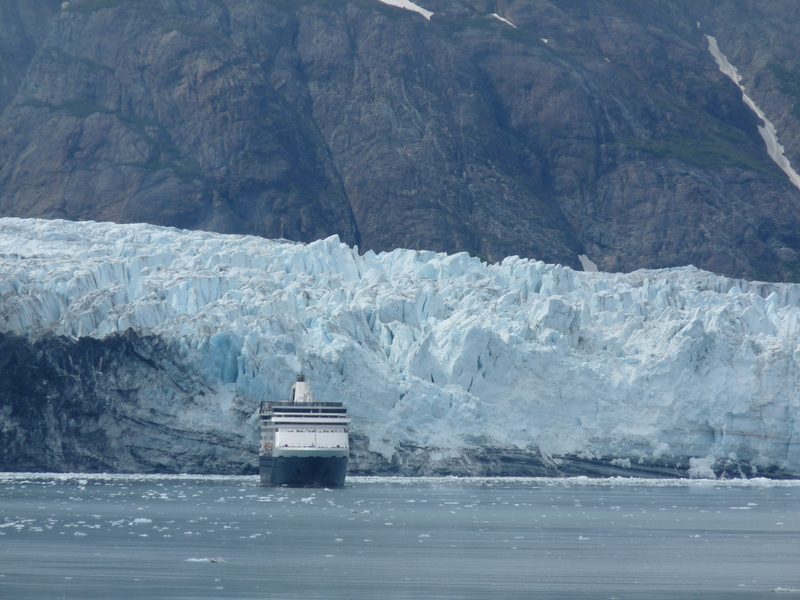
Glacier Bay, the Inside Passage and frontier ports — the great northern sailing season, explained.
Read the guide →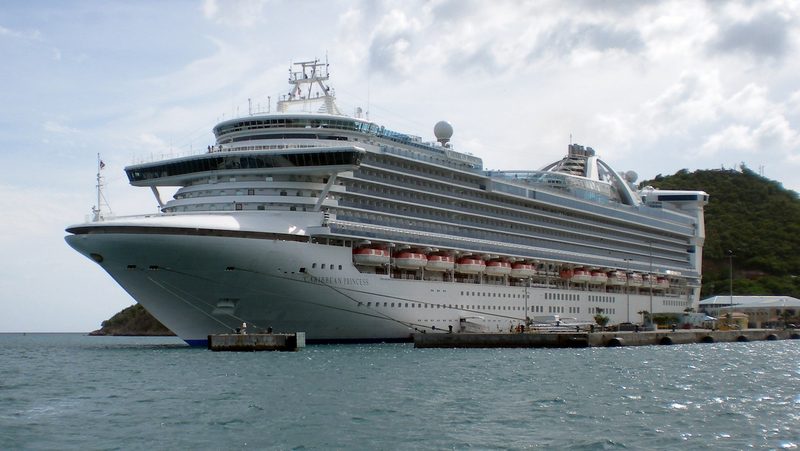
Eastern, Western and Southern routes compared — the ports, the beaches and the ships that sail them.
Read the guide →
How booking works, what is included, when to book and what to pack — start here.
Read the guide →