Cruise deals on KKday
Cruise search · Live fares
Compare first-cruise-friendly sailings — Caribbean weeks, Baja short hops, Alaska in season — with cabin prices shown before any extras sneak in.
Cruiselines.si · Cruise guides
Everything nobody tells you until the second cruise: how booking really works, what the fare covers, when prices drop and what to throw in the bag.
You know enough now to shop like a second-timer. Start with a search across the lines, compare the true totals, and book the port days early.
Cruise search · Live fares
Compare first-cruise-friendly sailings — Caribbean weeks, Baja short hops, Alaska in season — with cabin prices shown before any extras sneak in.
Port tours · Tickets · Activities
First-timers always forget the port days. Book each stop's excursions and tours now — it locks the price, skips the onboard excursion-desk line, and the good trips sell out.
A first cruise comes with a small anxiety: the industry runs on its own vocabulary — tenders, muster drills, closed-loop sailings — and everyone else seems fluent. This guide is the translation, plus the money mechanics the brochures skip. Read it once and you will book, board and sail like someone on their third.
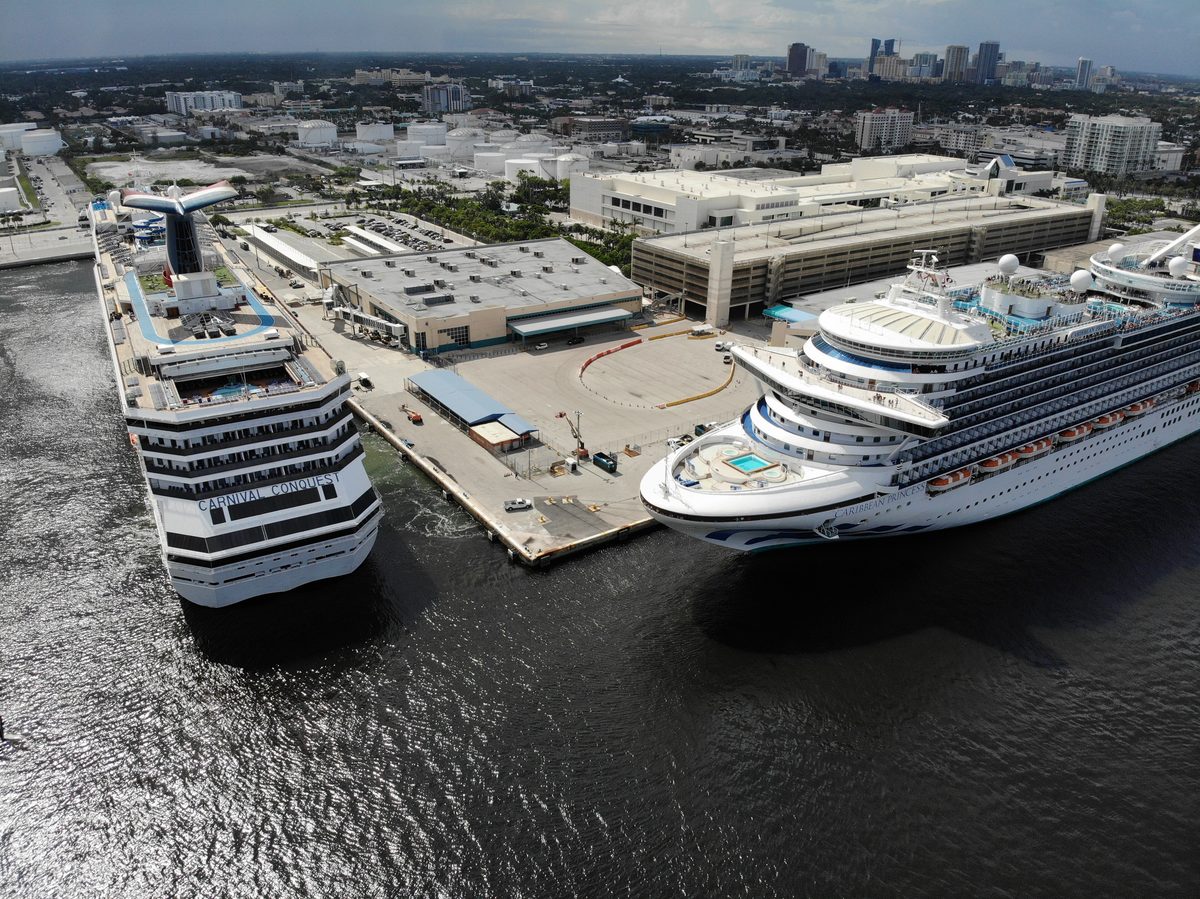
Pick the destination and rough dates first, the ship second, the cabin third. You book with a deposit — often $100–500 per cabin, sometimes refundable — and pay the balance 75 to 120 days before sailing, depending on the line and trip length. Your booking includes a category (inside, ocean view, balcony, suite) and often just a guarantee of that category or better; choosing an exact cabin number costs a little more and is worth it midship. After final payment, prices for remaining cabins may drop — before that deadline, ask for the lower fare if yours falls. Check in online a few weeks out, print your luggage tags, and you are a cruiser.
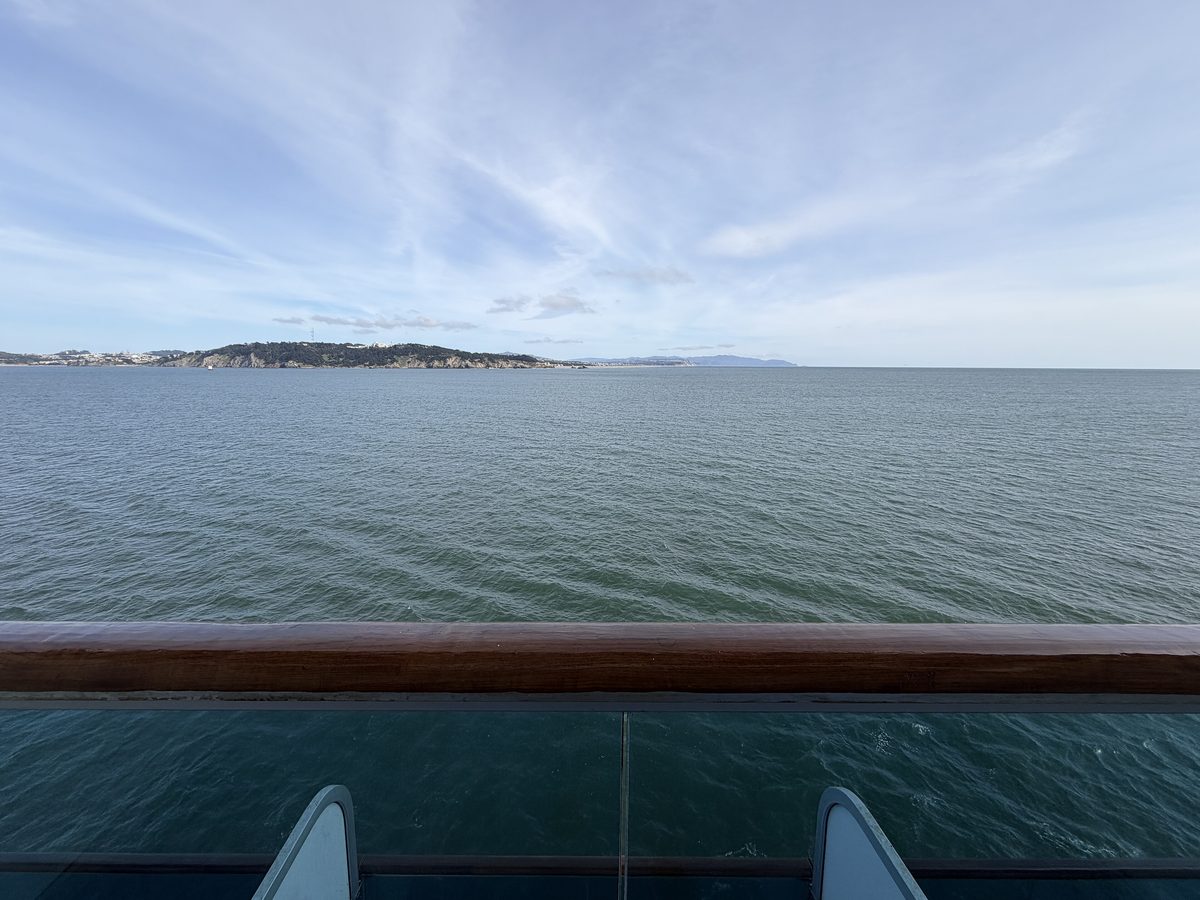
Inside cabins have no window and the lowest fare — fine if you treat the room as a sleeping pod, which many sea-day socializers do. Ocean-view adds a window or porthole. Balconies add private outdoor space; their value peaks on scenic routes like Alaska and the Norwegian fjords, and dips on port-packed Mediterranean weeks when you are ashore all day. Suites buy space, priority boarding and perks rather than a different cruise. Location outranks category for comfort: midship and lower for the least motion, away from elevators, pool decks and the theater's late bass line. The deck plan is public — five minutes studying it is the highest-value research in cruising.

Included: your cabin, the main dining room and buffet, most cafés, room service in part, pools, gym, shows, clubs and the transport itself. Not included: alcohol and soda (packages exist), specialty restaurants, spa and salon, shore excursions, Wi-Fi, photographs, casino play — and gratuities, which lines add automatically per day unless you prepay them. None of this is a trap; it is simply à la carte. Decide your pattern on day one — package or pay-as-you-go — and the bill holds no surprises. River cruises fold far more into the fare, as our river guide details.
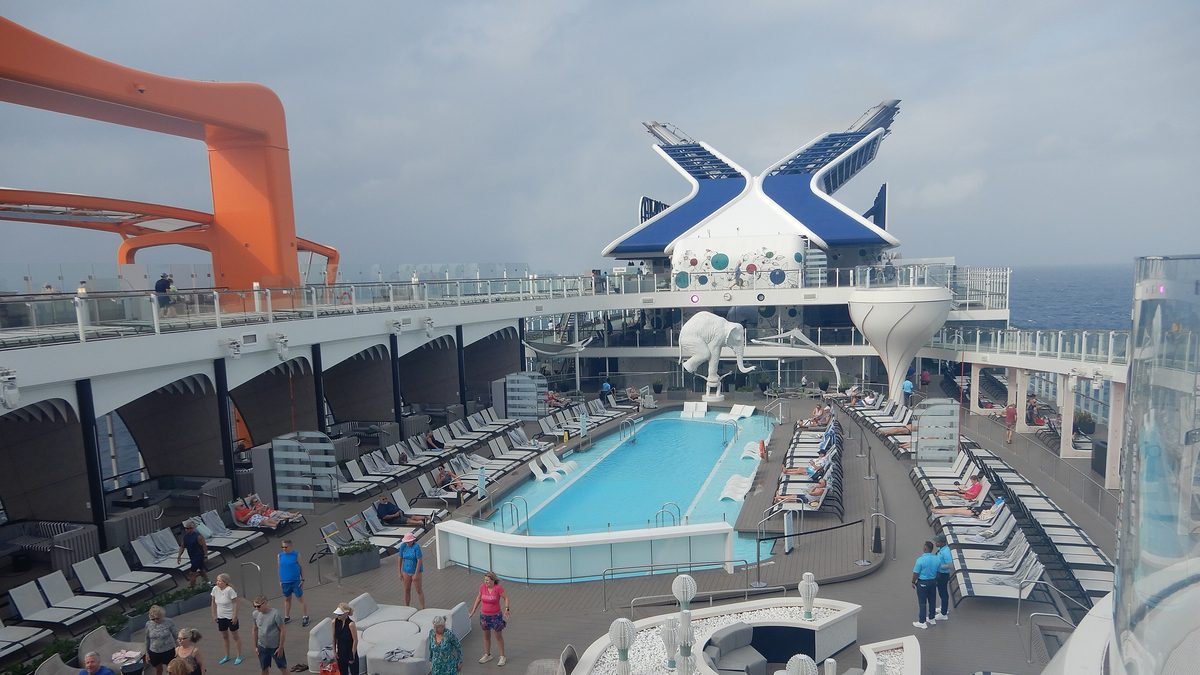
Port days start early — breakfast, off the ship by nine, back aboard by the all-aboard time printed everywhere (the ship does not wait; set a phone alarm an hour earlier). Sea days are the ship's showcase: pool decks and trivia, cooking demos and dance classes, a show after dinner and a dozen bars after that. Muster drill — the safety briefing — happens before sail-away on day one and is mandatory but quick. Evenings have a rhythm: dinner seating or open dining, the theater show, then music somewhere. You can do everything or almost nothing; the daily program supports both, and nobody keeps score.
Two windows matter. For choice — the ship, the sailing, the cabin you actually want — book six to twelve months out, especially for Alaska, holiday weeks and river cruises, where capacity is small. For price, watch the 90-to-60-day window before sailing, when lines discount the cabins that remain; the trade is flexibility — you take what's left, possibly flying at short notice. Between booking and final payment, fares you can reprice are free money: check your sailing's price monthly and ask. What never pays: waiting for a named holiday week to get cheap. It will not.
Leave behind: towels (provided), an iron (banned; pressing services exist), and worry about the dress code — read the ship's page once and pack to it. Nearly every first-timer overpacks clothes and underpacks patience for the buffet line at 8 a.m. Go at nine. It is empty, and the omelet station has no queue.
The one rule that matters. On port days, the ship sails at the printed time whether you are on it or not. Book ship excursions and the line waits; go independent and the clock is yours to watch. Every veteran cruiser has a pier-runner story. Make yours someone else's.
Short Caribbean weeks and Baja hops are the friendliest first cruises — compare them now, while the guide is fresh.
Most first-timers never do — modern ships are stabilized, and routes like the Inside Passage, the Caribbean in season and all river cruises run in sheltered water. If you are prone to motion sickness, pick a midship cabin on a lower deck, sail the calm routes first, and bring ginger, wristbands or medication. The open-Pacific and Gulf of Alaska crossings are the main exceptions to plan around.
Budget beyond the fare: automatic gratuities typically run about $15–20 per person per day on mainstream lines, drinks packages $60–100 a day if you buy them, plus excursions, specialty dining, Wi-Fi and spa. A realistic rule: plan to spend 30–50% of your fare again onboard — or near zero if you skip the packages and let the included options carry you, which many cruisers happily do.
Far more relaxed than its reputation. Daytime is resort casual everywhere; evenings run smart-casual in the dining rooms, with one or two dressier nights on a week-long ocean cruise that many guests now treat as optional. River cruises stay smart-casual throughout. When in doubt, the ship's daily program states the evening's guidance in plain words.
A passport valid for your itinerary is the safe universal answer. U.S. citizens on closed-loop U.S. cruises can use a birth certificate plus photo ID, but any itinerary flying home from abroad, sailing one-way, or cruising European rivers requires the passport. Check names match the booking exactly — the check-in desk cannot bend this rule.
Both, easily. Non-swimmers lose nothing but the pool — the ship is a resort that happens to float, and life jackets ride every tender and tour boat. Solo travelers are a growing share of cruising: some ships now have studio cabins without the dreaded single supplement, and communal tables and hosted meetups make the social side easy. River cruises are especially solo-friendly.
More guides from Cruiselines.si — or head back to the cruise deals hub to start from the top.
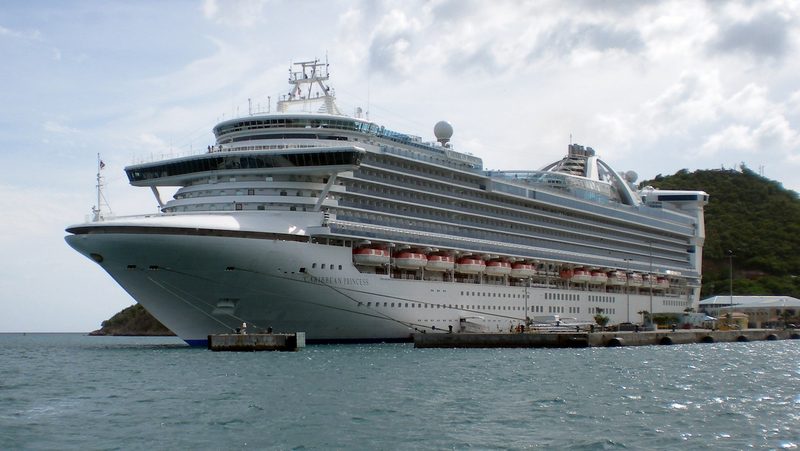
Eastern, Western and Southern routes compared — the ports, the beaches and the ships that sail them.
Read the guide →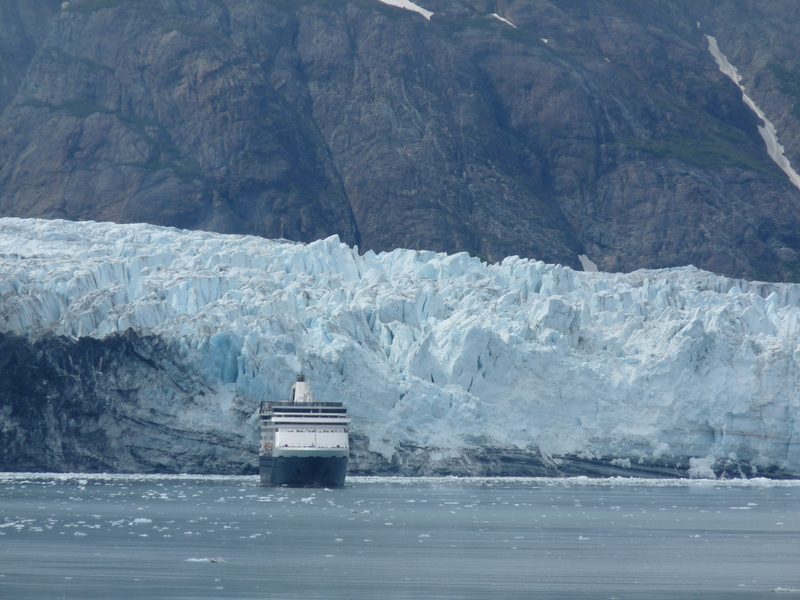
Glacier Bay, the Inside Passage and frontier ports — the great northern sailing season, explained.
Read the guide →
Santorini caldera mornings, Amalfi lemons, Dubrovnik's walls and the classic ports of the Med.
Read the guide →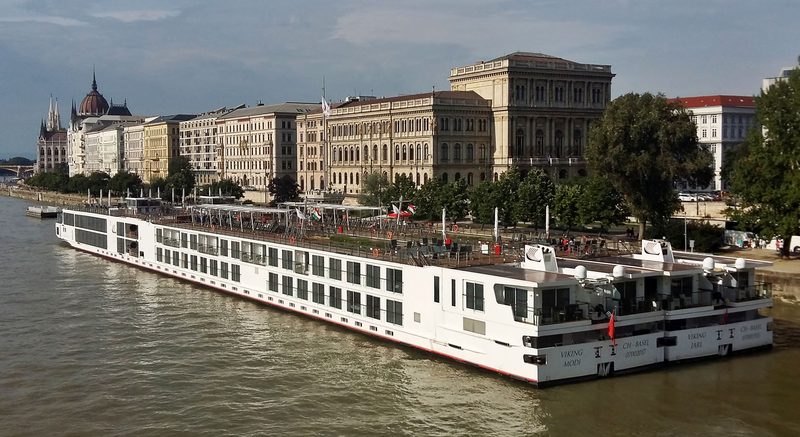
The Danube, the Rhine and beyond: small ships, old towns and a new port almost every day.
Read the guide →